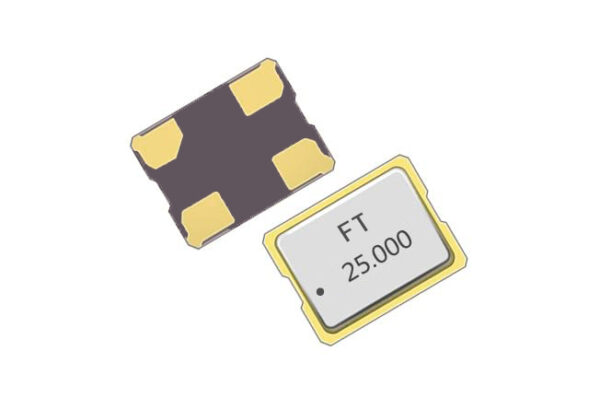
Difference between differential crystal oscillator and ordinary crystal oscillator
Main Differences Between Differential Crystal Oscillator and Ordinary Crystal Oscillator:
Different Pin Packages: The ordinary crystal oscillator has 4 pins, while the differential crystal oscillator has 6 pins.
Different Output Signals: The ordinary crystal oscillator has a single-ended output, whereas the differential crystal oscillator has a differential output.
Different Applications: The ordinary crystal oscillator is suitable for low-speed applications (below 100 MHz), while the differential crystal oscillator is suitable for high-speed applications (above 100 MHz).
Different Anti-Interference Capabilities: The signal anti-interference capability of the differential crystal oscillator is significantly better than that of the ordinary crystal oscillator, making it suitable for high-speed signal processing or single-supply systems.
Different Signal Processing Capabilities: The differential crystal oscillator can easily discern small signals and is highly immune to external electromagnetic interference, making it suitable for high-speed signal processing.
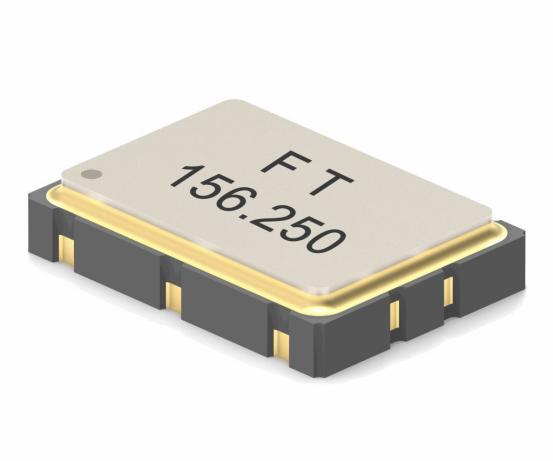
Advantages of Differential Crystal Oscillator:
Strong Anti-Interference Capability: The signal anti-interference capability of the differential crystal oscillator is significantly better than that of the ordinary crystal oscillator, making it suitable for high-speed signal processing or single-supply systems.
Strong Signal Processing Capability: The differential crystal oscillator can easily discern small signals and is highly immune to external electromagnetic interference, making it suitable for high-speed signal processing.
Diverse Package Types: The diverse package types of differential crystal oscillators facilitate user selection.
Working Principles of Crystal resonator and Resistors in Collaboration