Applications of Thermistor-Compensated Crystal Oscillators
2026-07-30
In the design of precision electronic systems, crystal oscillators serve as time reference sources, and their frequency stability directly determines the performance of the overall system. Among them, the Thermistor Compensated Crystal Oscillator provides a solution to optimize frequency stability under special temperature conditions and plays a vital role.
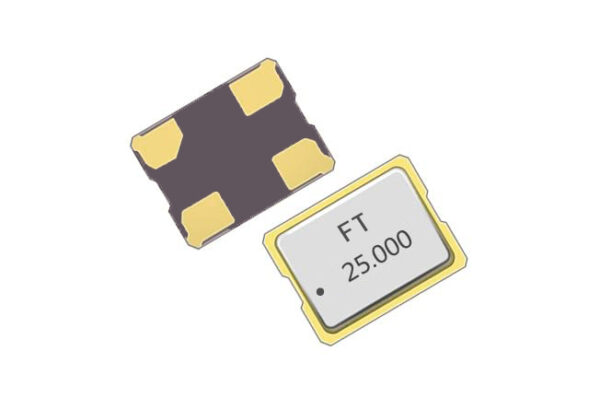
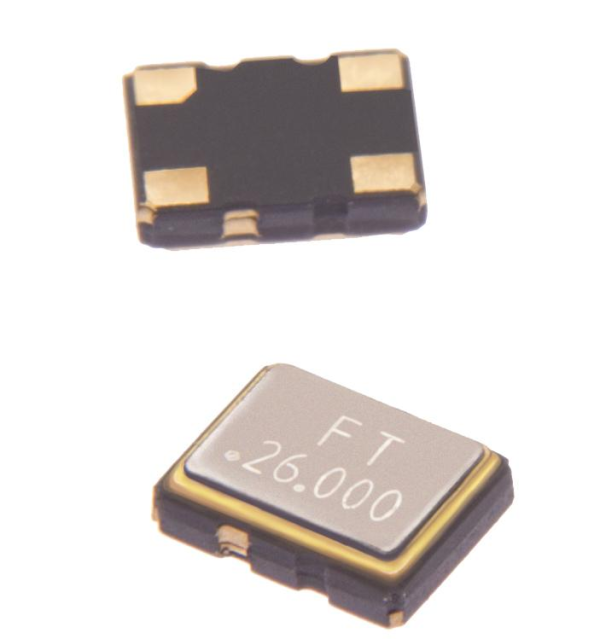
A thermistor-compensated crystal oscillator is a passive crystal resonator integrating thermistors and varactor diodes. Temperature compensation is realized via analog circuits with a typical stability of ±10 ppm. It is mainly applied in cost-sensitive consumer electronics, IoT devices and basic communication terminals that demand better temperature stability than ordinary crystal oscillators.

1 Basic Principles and Advantages of Thermistor-Compensated Crystal Oscillators
The thermistor-compensated crystal oscillator is a cost-effective upgrade based on conventional SMD crystal oscillators. The thermistor monitors ambient temperature variations, while the varactor diode adjusts its capacitance according to temperature sensing signals, thereby indirectly tuning the oscillation frequency of the crystal oscillator. This design enables the oscillator to automatically calibrate within a certain temperature range and maintain relatively stable frequency output, making it an option with excellent cost performance for equipment without stringent requirements for frequency accuracy.
The most prominent advantage of thermistor-compensated crystal oscillators lies in cost efficiency. Compared with sophisticated TCXOs, they feature simpler manufacturing processes, lower costs and shorter production lead times. Therefore, they are widely adopted in mass-produced, cost-sensitive electronic products such as consumer electronics and basic communication equipment.
2 Core Applications of Thermistor-Compensated Crystal Oscillators
Consumer Electronics: Portable devices including smartphones (non-core GPS modules), TWS earbuds, Bluetooth speakers and smartwatches. They deliver more stable clock references than ordinary crystals to ensure reliable wireless connectivity.
AIoT Terminals: Smart home sensors, smart electricity/water meters, wireless meter reading modules, and LPWAN (NB-IoT/Cat.1) terminals, balancing long-term operational reliability and BOM cost.
Basic Communication Equipment: Low-end wireless data transmission modules, walkie-talkies, wireless phones, Wi-Fi/Bluetooth modules, meeting frequency drift tolerance requirements for general data transmission.
Automotive Auxiliary Electronics: Automotive Tire Pressure Monitoring Systems (TPMS), non-safety-critical in-vehicle infotainment systems, window control units and other components. Suitable for wide-temperature in-cabin environments where navigation-grade frequency precision is unnecessary.
Industrial Control & Metering: Factory industrial control boards, handheld measuring instruments and POS payment terminals. They can partially replace TCXOs to cut costs in environments with relatively stable conditions.

32.768 kHz Crystal Resonator Selection Guide
Crystal Oscillators Support Perfect Rendering on AI Glasses